Imagine sipping on a velvety blend of espresso and milk, perfectly balanced in a tall glass. This is the magic of Galão, Portugal’s beloved coffee delight. Discover its origins and learn how to craft this comforting beverage at home, elevating your coffee experience to new heights with expert tips.
Galão: What Is It and Where Does It Come From?
Galão (pronounced gah-LA-oo) is a quintessential Portuguese coffee drink, characterized by its soothing blend of strong espresso and silky steamed milk, typically served in a tall glass. Originating from the picturesque streets of Portugal, the galão has become a beloved staple in local cafés, epitomizing the country’s casual yet sophisticated coffee culture.
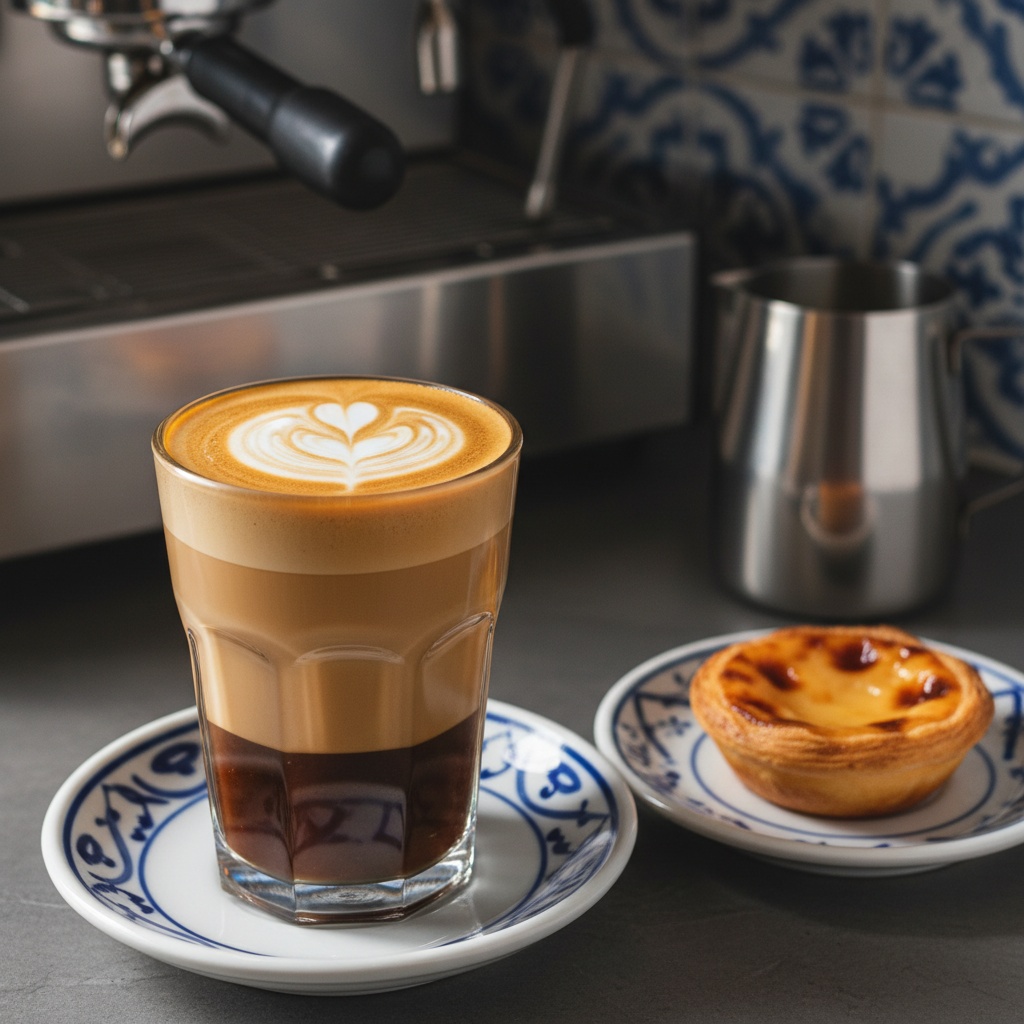
Its history is deeply intertwined with Portugal’s rich coffee heritage, where the art of savoring a leisurely coffee has been perfected over centuries. The Specialty Coffee Association highlights Portugal’s unique approach to coffee preparation, emphasizing the importance of temperature control and precise extraction techniques to achieve the perfect balance in beverages like the galão.
What sets the galão apart from similar beverages, like the Italian latte or the French café au lait, is the distinct coffee-to-milk ratio. A galão is made with one part espresso to three parts steamed milk, resulting in a drink that is both creamy and light, yet still allows the rich, robust flavor of the espresso to shine through.
This specific balance makes it a delightful choice for those who prefer a milder coffee experience without sacrificing the aromatic intensity of the espresso. Whether enjoyed as a morning pick-me-up or an afternoon indulgence, the galão encapsulates the essence of Portuguese coffee culture in every sip.
How to Make a Galão at Home
Galão
Ingredients
- 1 shot Espresso freshly pulled, about 1 fl oz
- 4 fl oz Whole milk steamed to a light, silky foam, about 65°C (150°F)
- Sugar optional, to taste
Instructions
- Pull a fresh espresso shot directly into a tall, clear heatproof glass.
- Steam the milk to about 65°C (150°F) with a small amount of fine foam — it should stay pourable, not stiff like cappuccino foam.
- Pour the hot milk over the espresso, holding back the foam with a spoon, then spoon the foam on top. Serve immediately while the layers are visible.
Notes
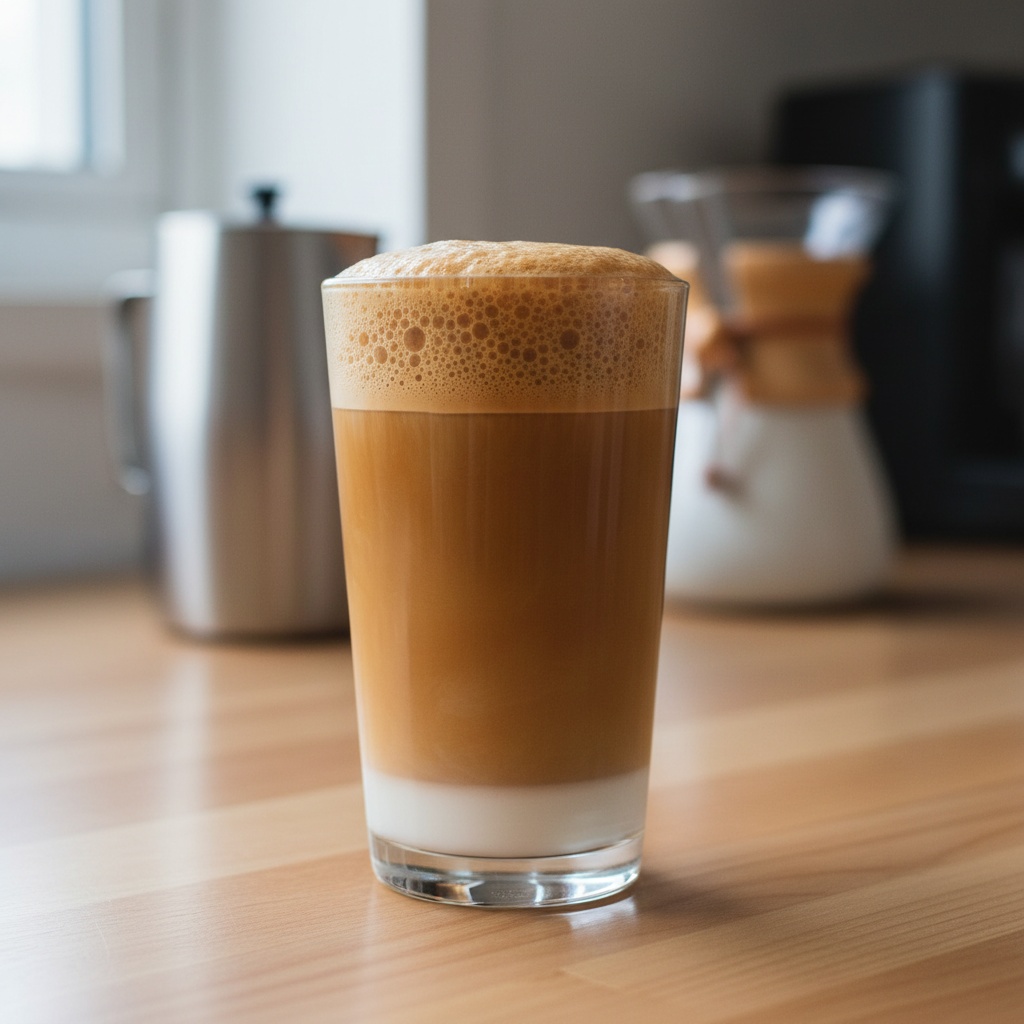
Creating a Galão at home is like bringing a little piece of Portugal into your kitchen. This delightful coffee drink is a harmonious blend of espresso and milk, served in a tall glass that invites you to savor every sip. Picture yourself in a cozy Lisbon café, surrounded by the warm chatter of locals, as you craft this elegant beverage.
The key to a perfect Galão lies in its balance—equal parts of robust espresso and creamy milk, resulting in a drink that is both comforting and invigorating. With a few simple steps and attention to detail, you can enjoy a classic Galão without leaving your home.
- Start with a good quality espresso, as this forms the backbone of the Galão. I recommend using freshly ground coffee beans to extract a rich and aromatic shot.
- Brew your espresso using a machine or stovetop espresso maker, aiming for about 30-35 ml for each serving.
- While the espresso brews, heat your milk to around 65°C (150°F); this temperature ensures the milk is warm enough to blend smoothly without scalding.
- Froth the milk until it reaches a velvety texture, with microfoam that is smooth and glossy. A common mistake is overheating the milk, which can dull its sweetness and affect the drink’s balance.
- Pour the espresso into a tall glass, followed by an equal amount of frothed milk. The milk should gently cascade over the espresso, creating a beautiful layered effect. If done right, you’ll have a Galão that looks as inviting as it tastes.
Timing is crucial when making a Galão. Serve it immediately after preparation to enjoy the full spectrum of flavors while the coffee and milk are still warm and integrated. In my experience, using a clear glass for serving not only enhances the visual appeal but also replicates the authentic café experience.
As you take your first sip, savor the delicate interplay of espresso’s boldness with the milk’s creamy sweetness—a true testament to the art of coffee-making.
Tips and Tricks for the Best Galão
Creating the perfect Galão is all about mastering the balance between espresso and milk, as well as choosing the right components to enhance the drink’s appeal. Here are my top tips to ensure your Galão is as authentic and delicious as the ones you’d find in a Portuguese café.

- Focus on the quality of your espresso. Use freshly ground coffee beans to achieve a rich and robust espresso shot. In my experience, a medium-dark roast works beautifully, delivering just the right depth without overwhelming the milk.
- Whole milk is traditionally used, providing a creamy texture that complements the espresso. If you prefer a lighter version, you can opt for 2% milk, but avoid going lower, as skim milk can make the drink too watery.
- When it comes to ratios, the classic Galão is about three parts milk to one part espresso. This gives it that signature light and airy feel. However, feel free to adjust the ratio to suit your personal taste.
- Temperature is key. Heat the milk to about 150°F (65°C) to ensure it’s warm enough to blend seamlessly with the espresso, but not so hot that it loses its sweetness. Steaming the milk until it’s smooth and velvety will create that luxurious texture we’re aiming for.
- Lastly, serve your Galão in a tall glass. This not only showcases the beautiful layers of espresso and milk but also ensures you get the full visual and sensory experience.
By focusing on these elements, you’ll craft a Galão that’s as inviting and satisfying as those enjoyed in Portugal. Enjoy your coffee journey!
Galão Variations to Try
Exploring the different types of galão can be a delightful journey for any coffee enthusiast. Each variation offers a unique twist on this classic Portuguese beverage, allowing you to experiment and find your favorite version of this tall glass coffee.
Galão Clarinho
Perfect for those who prefer a milder coffee experience. This variation uses a higher ratio of milk to espresso, creating a creamier and lighter drink. Typically, a Galão Clarinho consists of one part espresso to three parts steamed milk.
The result is a smooth and mellow coffee that’s gentle on the palate, making it an ideal option for morning coffee or a relaxed afternoon treat.
Galão Escuro
If you’re a fan of more robust coffee flavors, the Galão Escuro is the way to go. This version flips the ratio, featuring more espresso and less milk. Usually, it’s prepared with two parts espresso to one part steamed milk. The Galão Escuro emphasizes the rich, bold taste of espresso while still offering the comforting creaminess of milk.
It’s a great pick-me-up for those who need a stronger caffeine kick.
Galão com Mel
For a touch of sweetness, try the Galão com Mel. This variation includes a spoonful of honey mixed into the hot espresso before adding the milk. The honey adds a subtle sweetness and a hint of floral aroma that complements the coffee’s natural flavors.
It’s an intriguing twist that elevates the traditional galão, making it a delightful option for those who enjoy a sweeter coffee experience.
These variations demonstrate the versatility of the galão, allowing you to tailor your coffee experience to your taste preferences. Whether you enjoy it light, strong, or sweet, there’s a galão for every coffee lover to explore.
Conclusion
Creating an authentic Galão at home requires mastering the delicate balance between bold espresso and velvety steamed milk, a technique perfected in Portuguese cafés over generations. The Specialty Coffee Association notes that maintaining precise temperature control during milk texturing elevates this drink from ordinary to exceptional, preserving the espresso’s nuanced flavors.
Whether enjoyed as a morning ritual or afternoon indulgence, the Galão’s layered experience showcases how proper extraction and milk-to-espresso ratio transform simple ingredients into something extraordinary. Its creamy texture and harmonious blend of flavors make it stand apart from other espresso-based beverages while remaining accessible to home baristas.
With practice and attention to detail—particularly in achieving optimal milk froth consistency and espresso freshness—you’ll craft a Galão that captures Lisbon’s café culture in every sip. This versatile drink rewards experimentation while staying true to its comforting Portuguese roots.
Frequently Asked Questions
What is the difference between a Galão and a Latte?
A Galão and a Latte both combine espresso and milk, but the key difference lies in their milk-to-coffee ratios. A Galão typically has a 1:3 ratio of espresso to steamed milk, making it creamier and milkier than a Latte, which usually has a 1:1 or 1:2 ratio. The Galão is served in a tall glass, emphasizing its light, frothy texture.
Can I make a Galão without an espresso machine?
Yes, you can make a Galão without an espresso machine by using a stovetop espresso maker or a strong French press brew. While the flavor may not be as concentrated as traditional espresso, these methods will still provide a solid base for your Galão. Just ensure your milk is well-steamed to achieve the signature frothy texture.
What type of milk is best for making a Galão?
Whole milk is traditionally used for making a Galão because it froths well and provides a rich, creamy texture. However, you can use alternative milks like oat or almond if you prefer a non-dairy option. Just be aware that the frothing capabilities and taste might vary.