Introduction to Bicerin
Ever tried sipping history in a cup? Bicerin, Turin’s layered blend of espresso, chocolate, and cream, offers you just that—a taste of Italian heritage.
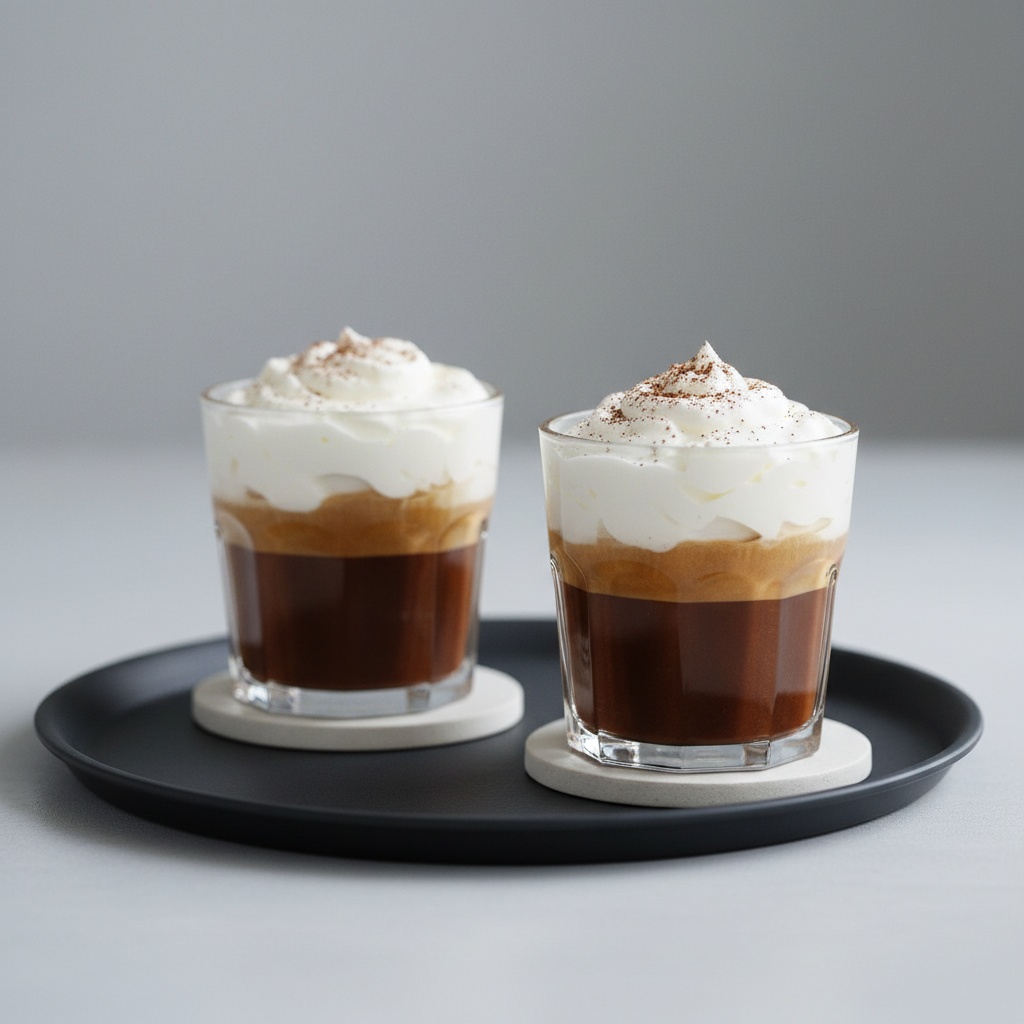
Ever tasted a drink that’s both espresso and dessert? Meet Bicerin, Turin’s seductive blend of layered espresso, chocolate, and cream that promises a symphony of flavors in every sip. Discover its rich history, learn how to craft this indulgence at home, and elevate your coffee experience with this Italian masterpiece.
Discover its origins and master the art of making this indulgent treat at home, immersing yourself in a sensory journey like no other.
Bicerin: What Is It and Where Does It Come From?
Bicerin (pronounced bee-cheh-REEN) is a luxurious Italian drink hailing from the charming city of Turin. This delectable concoction is a layered masterpiece of rich espresso, velvety chocolate, and frothy cream, creating an indulgent experience with every sip.
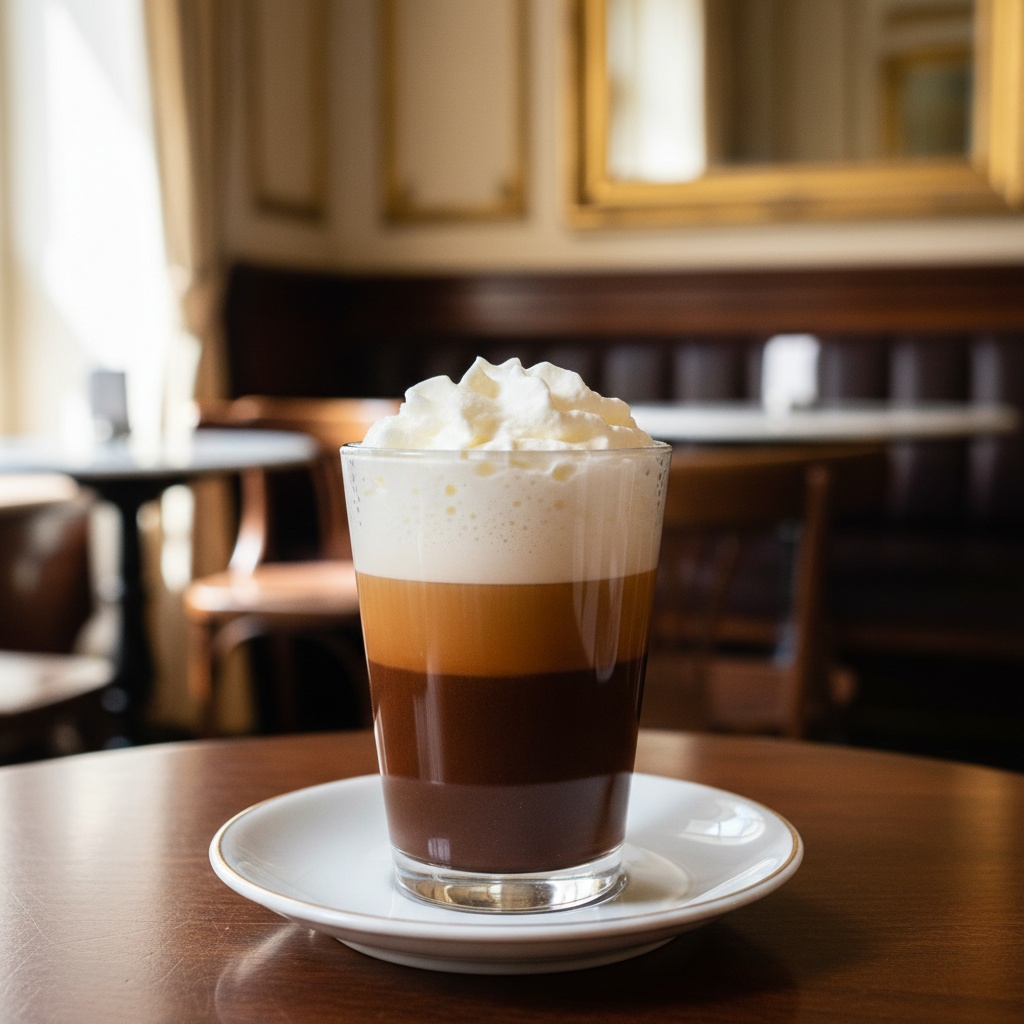
The origins of bicerin can be traced back to the 18th century, when it was first served at the historic Caffè Al Bicerin, a café that has become synonymous with this iconic drink. Over the centuries, bicerin has become a beloved symbol of Turin’s culinary heritage, drawing both locals and tourists alike to savor its unique blend of flavors.
What sets bicerin apart from similar beverages such as mochas or hot chocolates is its distinct layering technique. Unlike a typical hot chocolate, bicerin is carefully constructed with three separate layers: a thick, dark chocolate base, a robust shot of espresso, and a generous topping of whipped cream.
This meticulous layering not only creates a stunning visual presentation but also allows each component to maintain its individual flavor, offering a harmonious balance when enjoyed together. The combination of rich chocolate, bold coffee, and creamy texture makes bicerin a truly exceptional drink, celebrating the art of simplicity and sophistication in every glass.
How to Make a Bicerin at Home
Bicerin
Ingredients
- 1 shot Espresso freshly pulled, about 1 fl oz
- 2 fl oz Hot chocolate thick drinking-chocolate style, made with real dark chocolate, not cocoa powder
- 1 fl oz Heavy cream cold, lightly whipped so it floats
Instructions
- Gently melt dark chocolate with a splash of milk over low heat, stirring until thick, smooth, and glossy.
- Pull a fresh espresso shot and keep it hot.
- Pour the hot chocolate into a small clear glass first. Add the espresso slowly over the back of a spoon so it sits above the chocolate. Float the lightly whipped cream on top the same way.
- Serve immediately. A bicerin is drunk through the layers, never stirred.
Notes
Crafting a perfect bicerin at home is like creating a work of art with layers of espresso, chocolate, and cream that unite in a harmonious balance. This delightful drink hails from Turin, Italy, where each ingredient plays a crucial role in its signature layered presentation.
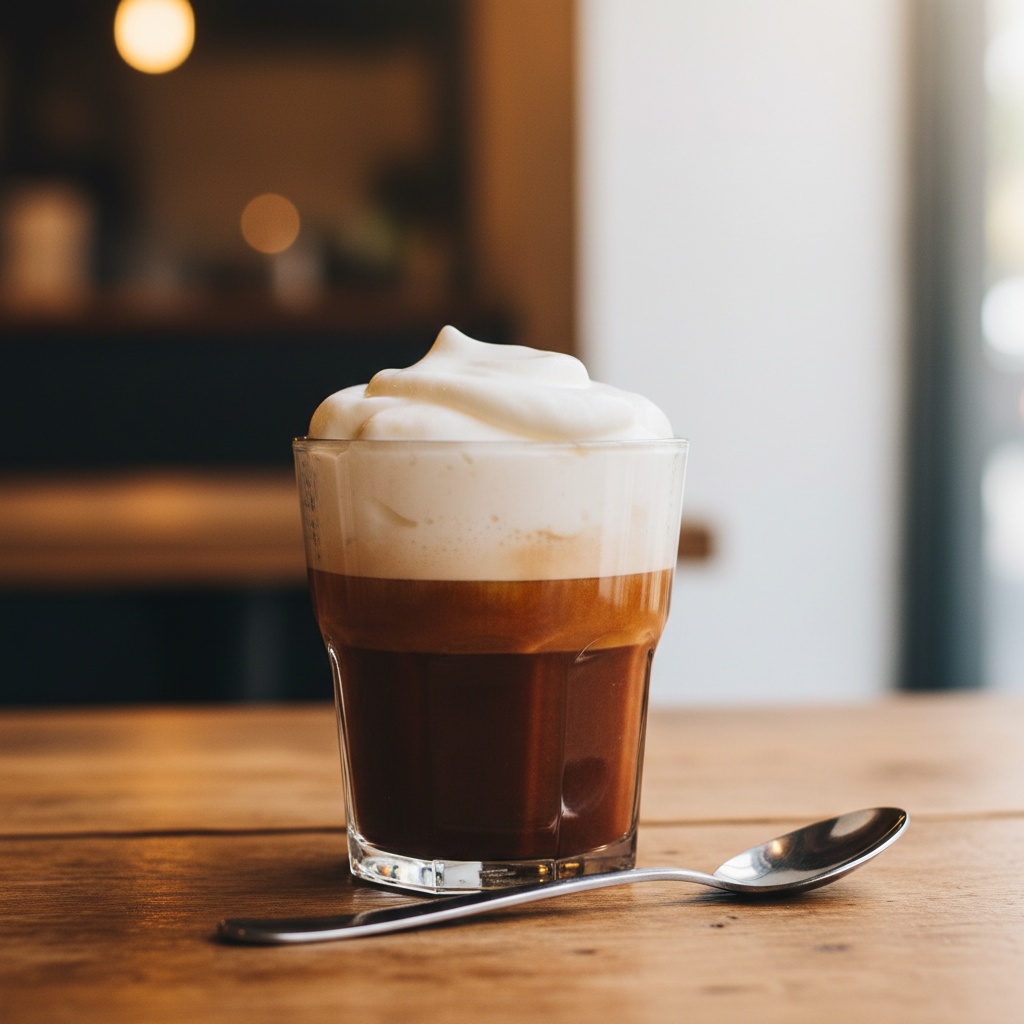
Picture yourself on a chilly morning, ready to indulge in this comforting and luxurious beverage. It’s all about the layers: a rich, velvety chocolate base, a robust shot of espresso, and a cloud-like topping of lightly whipped cream. This divine trio creates a symphony of flavors and textures that will transport you straight to a café in Turin.
To achieve a beautifully layered bicerin, start with high-quality ingredients. Begin by preparing a thick, rich hot chocolate using dark chocolate and whole milk. The chocolate should be smooth and just thick enough to support the espresso layer without blending. Timing is everything here; the espresso should be hot and freshly brewed to maintain the temperature contrast between the layers.
Gently pour the espresso over the back of a spoon to help it settle atop the chocolate without disturbing it. Finally, top with slightly whipped cream, carefully spooned over the espresso. The cream should be soft but not too stiff, allowing it to float gracefully.
In my experience, one common mistake is letting the chocolate cool too much before adding the espresso, which can cause the layers to mix. As you pour each layer, watch for the distinct separation, a visual cue that indicates a well-made bicerin. Patience and a steady hand are your allies in achieving this delicate presentation.
With practice, your homemade bicerin will be as visually stunning as it is delicious.
Tips and Tricks for the Best Bicerin
Creating the perfect Bicerin is all about attention to detail and quality ingredients. Here are some tips to ensure your Bicerin is as authentic and delicious as the ones you’d find in a Turin café.
Ingredient Quality and Ratios
First, focus on ingredient quality. Use a high-quality espresso, preferably a rich, dark roast that can stand up to the creamy and chocolatey layers. For the chocolate, opt for a thick, velvety drinking chocolate or a high-cocoa-content dark chocolate melted to a smooth consistency. The cream should be fresh and thick enough to float atop the other layers without sinking.
Next, get the ratios right. A traditional Bicerin features equal parts of espresso, chocolate, and cream. This balance ensures that no single flavor dominates the drink. In my experience, layering is crucial—pour the hot chocolate first, then the espresso, and finally, gently float the cream on top using the back of a spoon.
Temperature Control and Presentation
Temperature control is also vital. Ensure your espresso and chocolate are hot to contrast with the cool cream layer. This temperature difference enhances the sensory experience, offering a delightful contrast with each sip.
The cream should be lightly whipped to achieve a thick, yet pourable consistency, allowing it to sit atop the drink without mixing too quickly with the layers below.
Finally, consider the serving vessel. Traditionally, Bicerin is served in small, clear glasses to showcase its beautiful layers. This not only adds to the aesthetic appeal but also helps maintain the temperature contrast between the layers.
By focusing on these details, you’ll create a Bicerin that’s not just a drink, but a luxurious experience that transports you straight to the heart of Turin.
Bicerin Variations to Try
Exploring the world of Bicerin means diving into an array of delightful variations that keep the essence of this classic Italian beverage while adding unique twists. Let’s delve into some exciting Bicerin recipe variations that will take your taste buds on a flavorful journey.
Bicerin alla Nocciola
This variation features the exquisite addition of hazelnut, creating a Bicerin alla Nocciola. By incorporating a rich hazelnut syrup or a spoonful of Nutella into the chocolate layer, you enhance the drink with a nutty sweetness that complements the espresso beautifully.
The hazelnut flavor melds seamlessly with the creamy texture, making it a favorite for those who enjoy a bit of nuttiness in their coffee experience.
Bicerin al Caramello
For a touch of indulgence, the Bicerin al Caramello introduces caramel into the mix. Drizzle some caramel sauce into the chocolate layer or add a caramel syrup to the espresso. This version offers a luxurious, buttery sweetness that pairs perfectly with the bitterness of the espresso.
The caramel can also be used to rim the glass, adding a decorative and tasty element to the presentation.
Bicerin alla Menta
If you’re seeking a refreshing twist, the Bicerin alla Menta might be your go-to option. A few drops of mint extract or a mint syrup added to the chocolate layer create a cool, invigorating flavor profile. This variation is reminiscent of a mint chocolate treat, offering a refreshing aftertaste that balances the richness of the original Bicerin.
Experimenting with these Bicerin variations allows you to personalize your drink and discover new favorites. Whether you prefer the nutty notes of hazelnut, the sweet allure of caramel, or the refreshing pop of mint, there’s a Bicerin variation waiting to delight your palate.
Conclusion
As we wrap up our exploration of the Bicerin, it’s clear why this drink holds a special place in Turin’s heart. This layered blend of espresso, rich chocolate, and smooth cream creates a symphony of flavors that is both indulgent and comforting.
Crafting a Bicerin at home not only allows you to savor its unique taste but also connects you to a rich cultural tradition. Whether you’re enjoying a quiet morning or sharing with friends, the Bicerin offers a moment of pure delight. So, gather your ingredients and embark on this delicious journey.
In my experience, there’s nothing quite like the satisfaction of creating and sipping this elegant Italian classic. Enjoy every layer of the Bicerin experience!
Frequently Asked Questions
What is the best type of chocolate to use in a Bicerin?
For a traditional Bicerin, high-quality dark chocolate with at least 60% cocoa content is recommended. This provides a rich and slightly bitter contrast to the sweetness of the cream and the robustness of the espresso. In my experience, a premium dark chocolate elevates the drink’s complexity.
Can I use non-dairy cream for Bicerin?
Yes, non-dairy cream alternatives like coconut cream or almond-based cream can be used to make a Bicerin. While they offer a different flavor profile, they can still create the desired creamy texture. It’s important to choose a non-dairy cream with a similar consistency to heavy cream for the best results.
How do I get the perfect layers in a Bicerin?
Achieving distinct layers requires careful pouring and the right density of each component. Start with the chocolate, followed by the espresso, and finish with the cream. Pour each layer slowly over the back of a spoon to gently distribute the liquid and prevent mixing.
Is it necessary to sweeten the espresso in a Bicerin?
Traditionally, the espresso in a Bicerin is unsweetened. The sweetness comes from the chocolate layer and the cream. However, if you prefer a sweeter drink, you can add a touch of sugar to the espresso according to your taste.