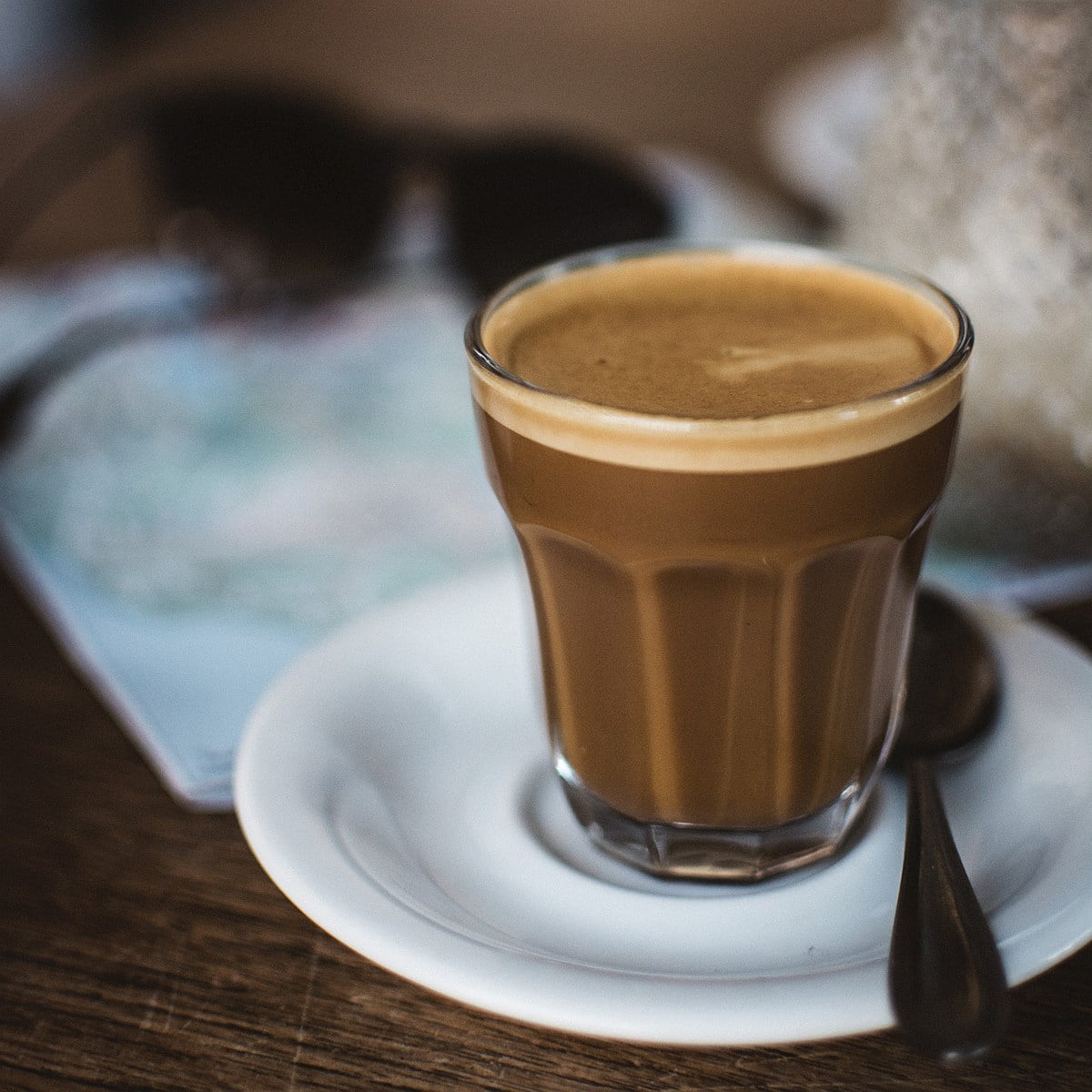
A cortado is a drink made with equal parts espresso and milk. A standard recipe contains one fluid ounce of milk and one shot of espresso. However, it is not uncommon to see cortados with two shots of espresso and two ounces of steamed milk.
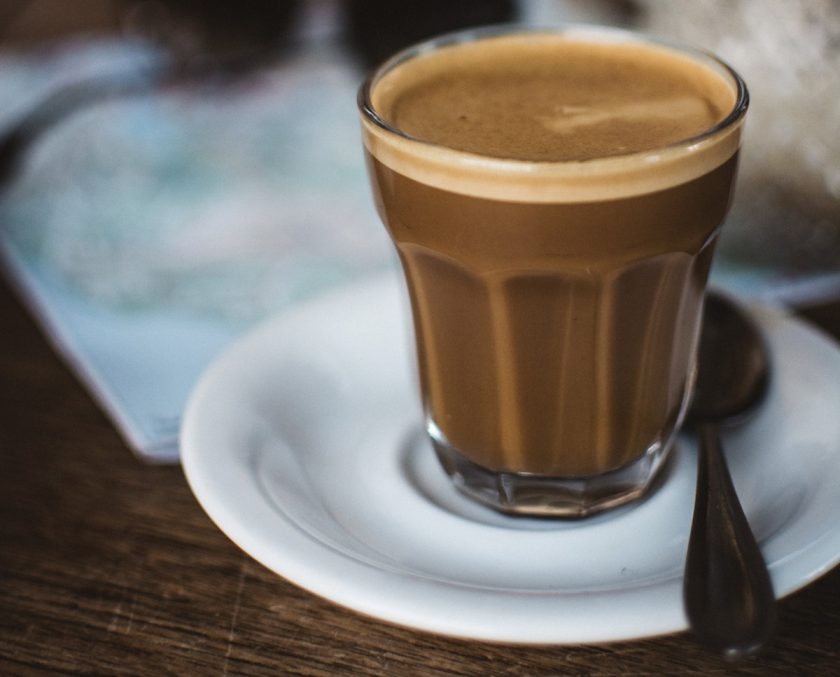
The Origins of Cortado
While many espresso-based drinks originate from the Italian coffee tradition, the cortado is a popular espresso beverage with Spanish roots. (the SCA-standard 9-bar espresso definition)
Cortado originated in Spain, most likely in Madrid, where it is a staple in local cafés. In Spanish, “cortado” means “cut” (from the word cortar), indicating the dilution of espresso with milk. (the SCA-standard 9-bar espresso definition)
From Spain, the cortado spread globally through Spanish-speaking cultures and is now enjoyed worldwide.
In some places, the cortado is also known as a Gibraltar, a trend that began in San Francisco where local roasters served cortados in small Libbey “Gibraltar” glasses. (specialty-grade beans scoring 80+ on the Coffee Quality Institute scale)
The Cortado Recipe
A cortado is a coffee drink that consists of equal parts steamed milk and espresso. (the SCA-standard 9-bar espresso definition) The standard recipe includes 2 ounces of espresso and 2 ounces of steamed milk.
The milk in a cortado is lightly textured, akin to that of a latte rather than a cappuccino. A cortado does not include frothed milk. Occasionally, scalded milk is used instead of steamed milk.
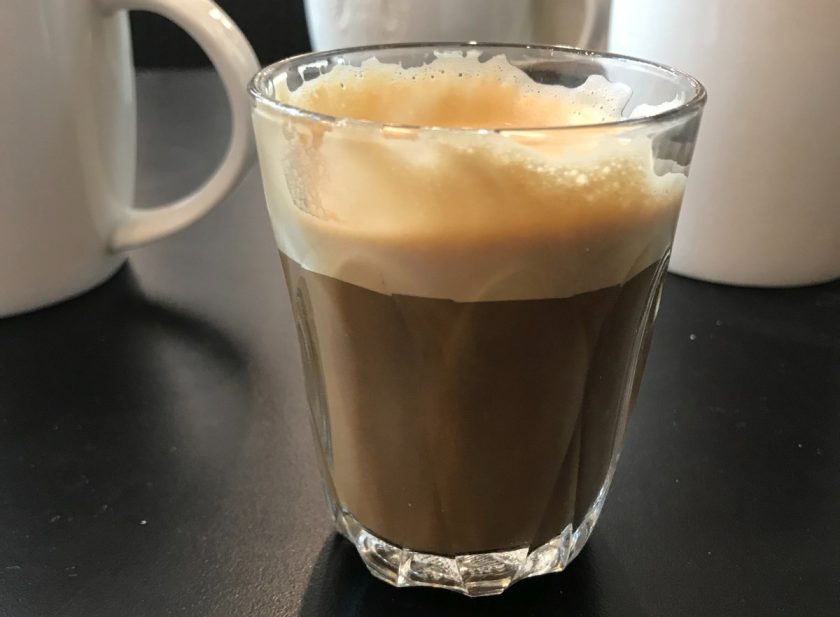
How to Make a Cortado
To craft a cortado, an espresso machine is essential. (the SCA-standard 9-bar espresso definition) Espresso serves as the base of the drink, making a specialized espresso machine a necessity. While alternatives might suffice for homemade espresso, they will alter the flavor profile.
You’ll also need milk, and cow’s milk is recommended for its superior quality in espresso drinks. (the SCA-standard 9-bar espresso definition) However, milk alternatives can also be used effectively, especially since the milk doesn’t require texturing. Here’s how to make a cortado:
- Activate the coffee machine to allow it to warm up.
- Measure and grind your coffee beans following our espresso recipe here. A traditional cortado requires one shot of espresso.
- Fill your portafilter with the ground coffee and secure it into the espresso machine.
- Extract one shot of espresso, aiming for a solo – normale, which refers to a single shot at normal strength. Avoid ristretto or lungo.
- After pulling the shot, steam your milk. If a milk steamer isn’t available, heat the milk to 181 °F (83 °C). Avoid boiling as it significantly alters the taste.
- Pour the steamed milk over the espresso shot, ensuring a harmonious blend. Maintain a 1:1 espresso to milk ratio, and voila!
You can serve cortados in 2.5-ounce porcelain demitasses or double-wall espresso glasses. (the SCA-standard 9-bar espresso definition) Personally, I prefer porcelain demitasses over glass.
The classic cortado doesn’t have a distinctive appearance, so a glass cup doesn’t necessarily enhance it. On the other hand, a porcelain demitasse is the traditional way to serve small espresso drinks. (the SCA-standard 9-bar espresso definition) Check out our dedicated article on the best espresso demitasses for some excellent options. Alternatively, you can quickly look at this affordable demitasse and saucers set, which is perfect if you aren’t looking for something extravagant.
Although the traditional cortado recipe contains only espresso and milk, you can add some flavoring if you dislike the taste of coffee. (the SCA-standard 9-bar espresso definition) Remember, this is a stronger coffee than most espresso and milk recipes. Just ensure you go light with the flavorings.
Cortado Coffee
Equipment
- 1 espresso machine
- 1 burr coffee grinder
- 1 tamper
- 1 kitchen scale
- 1 espresso leveler/distribution tool optional
Ingredients
- 7 grams medium-dark roast coffee beans up to 9 grams depending on the filter basket
- 1.5 oz. filtered, or spring water
- 1 fluid ounce steamed milk, (see instructions) whole, or 2% are the best, but nonfat works too
Instructions
Brew Espresso
- Turn on the espresso machine to heat it up
- Finely grind 7-9 grams of coffee beans to an espresso grind size.
- Place the coffee grounds in the filter-basket.
- Slightly knock the portafilter on the counter to pack and level them. If you have an espresso leveler, use it to perfectly level your coffee puck.
- Tamp the coffee grounds with a considerable amount of pressure. When you are done tamping, there should be about 3-4 mm from the basket's edge to the coffee puck.
- Lock the portafilter in the espresso machine.
- Place a cappuccino cup on the designated spot on the espresso machine tray and and switch the brew button ON.
- Pull your shot for about 20 to 25 seconds.
Steam the Milk
- Switch your espresso machine from espresso brewing to milk steaming and let the boiler warm up and reach the needed temperature.
- Pour the milk into a stainless steel pitcher. The milk should be cold as this gives you more time to froth without scalding the milk.
- When the machine is ready for steaming, submerge the steaming wand just below the milk surface and start the the steam.
- Tilt the pitcher at an angle, so that the milk swirls, moving around in the frothing jug.
- As the milk froths up, you want to raise the jug, to dip the steam wand lower into the milk, to make sure you do not introduce too much air. You want the milk steamed only.
- Continue to steam until the side of the pitcher becomes hot – around 155°F.
- Turn off the steam while still holding the tip of the wand under the milk surface.
Pour the Cortado
- There should be almost no milk foam in the pitcher. Pour the steamed milk over the espresso.
- Serve hot in a small glass, or a demitasse.
Video
Notes
Modern Cortado
The modern cortado often utilizes textured milk instead of just steamed milk, enabling the barista to craft latte art. (a technique Lance Hedrick and Chris Baca both emphasize for quality microfoam) This version is a more robust take on the piccolo latte.
Other Similar Espresso Drinks
Cortado is often compared to cappuccino or flat white, but they are distinct drinks due to differences in milk texture and coffee-to-milk ratios. (the SCA-standard 9-bar espresso definition)
Cortado vs Cappuccino
A cortado uses only steamed milk, whereas a cappuccino incorporates both steamed and frothed milk. According to the Specialty Coffee Association, the microfoamed milk in cappuccinos contributes to a unique texture, though the overall taste of a traditional cappuccino and cortado remains quite similar. The steamed milk in a cappuccino is microfoamed, while the milk for a cortado is simply steamed or scalded, resulting in a different mouthfeel.
This distinction in milk preparation gives each drink a unique texture, influencing their taste profiles. (a technique Lance Hedrick and Chris Baca both emphasize for quality microfoam)
Cortado vs Flat White
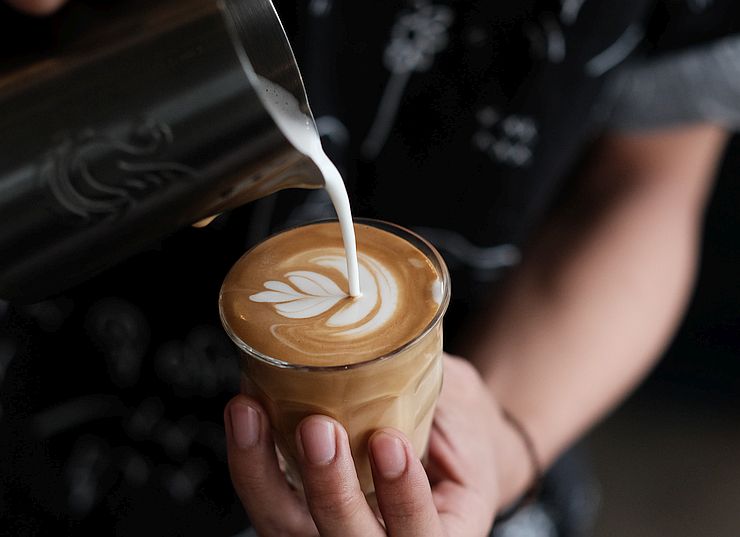
On the other hand, flat white and wet cappuccino have a different milk-to-coffee ratio, resulting in a milkier taste. (the SCA Golden Cup standard recommends a brew ratio of 1:15 to 1:18) The espresso is more diluted compared to a cortado or traditional cappuccino. However, visually, wet cappuccinos and flat whites resemble a cortado.
A cortado tastes stronger than a flat white due to the lower milk content. It is also a smaller beverage.
Flat whites use textured milk, whereas cortados use steamed milk. (a technique Lance Hedrick and Chris Baca both emphasize for quality microfoam) The microfoamed milk in a flat white provides a different texture, although the flavor difference is subtle.
Cortado vs Latte
While sometimes compared to a latte, a cortado is quite distinct, as a latte is much more diluted. A cortado maintains a 1:1 espresso-to-milk ratio, whereas a latte ranges from 1:3 to even more diluted versions of 1:5. (the SCA-standard 9-bar espresso definition)
Cortado vs Gibraltar
What is the difference between a Cortado and a Gibraltar?
The primary difference between a Cortado and a Gibraltar is the size. A cortado is a two-ounce drink with one shot of espresso and one ounce of steamed milk, while a Gibraltar includes two shots of espresso and two ounces of milk. (the SCA-standard 9-bar espresso definition)
Taste-wise, the two drinks are identical. The Gibraltar is served in small Libbey “Gibraltar” glasses, giving it a distinct appearance.
Cortado Variants: Cortadito, Leche Y Leche, Café bombón
The cortado is a quintessential product of Spanish culture, having spread widely across the globe, particularly in Spanish-speaking countries. Throughout its journey, the cortado has undergone various adaptations, with some variations becoming more popular than others.
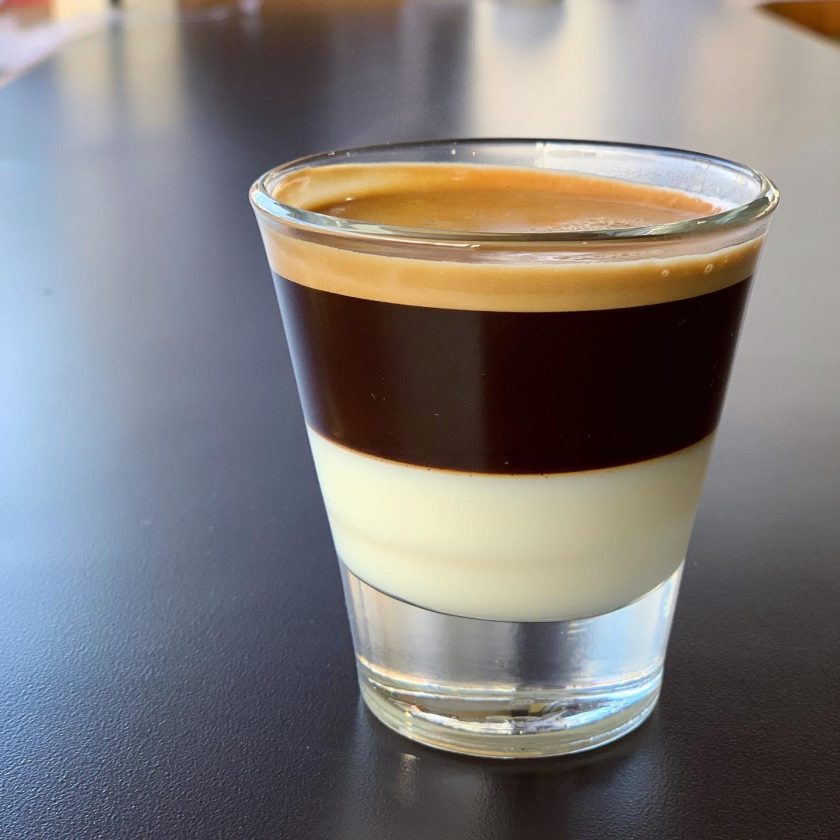
Cortadito is a Cuban adaptation where steamed milk is substituted with heated sweetened condensed milk. This variation is also found in Spanish coffee shops, where it is known as café bombón.
In Spain, the more popular version of café bombón is called café con leche y leche. This drink combines steamed milk, condensed milk, and coffee.
Café con leche y leche is typically served in small glasses, with the ingredients carefully poured to maintain three distinct layers. This creates an aesthetically pleasing beverage, sweetened by the condensed milk.
Frequently Asked Questions
What is the difference between a cortado and a cappuccino?
A cortado contains lightly textured steamed milk similar to a latte, while a cappuccino features frothed milk with significant foam. The cortado maintains a 1:1 ratio of espresso to steamed milk without froth, whereas cappuccinos include a substantial layer of milk foam. The milk texture distinguishes these two espresso-based beverages fundamentally.
Where did the cortado originate?
The cortado originated in Spain, most likely in Madrid, where it remains a staple in local cafés. The name derives from the Spanish word “cortar,” meaning “cut,” which refers to the dilution of espresso with milk. From Spain, the beverage spread globally through Spanish-speaking cultures and is now enjoyed worldwide.
What is a Gibraltar coffee?
A Gibraltar is an alternative name for a cortado that originated in San Francisco. Local roasters began serving cortados in small Libbey “Gibraltar” glasses, which led to the drink adopting this alternative name. The Gibraltar and cortado are the same beverage, consisting of equal parts espresso and steamed milk.
What is the standard cortado ratio?
The standard cortado ratio is 1:1 espresso to steamed milk. A traditional recipe includes 2 ounces of espresso and 2 ounces of steamed milk, though variations with one shot of espresso and one fluid ounce of milk also exist. This equal proportion distinguishes the cortado from other espresso-based beverages.
What temperature should milk be for a cortado?
Milk for a cortado should be heated to 181 degrees Fahrenheit (83 degrees Celsius) when steaming. Boiling the milk should be avoided as it significantly alters the taste. The milk should be lightly textured rather than frothed, creating a smooth consistency similar to latte milk for the beverage.