Introduction to Cuban Espresso
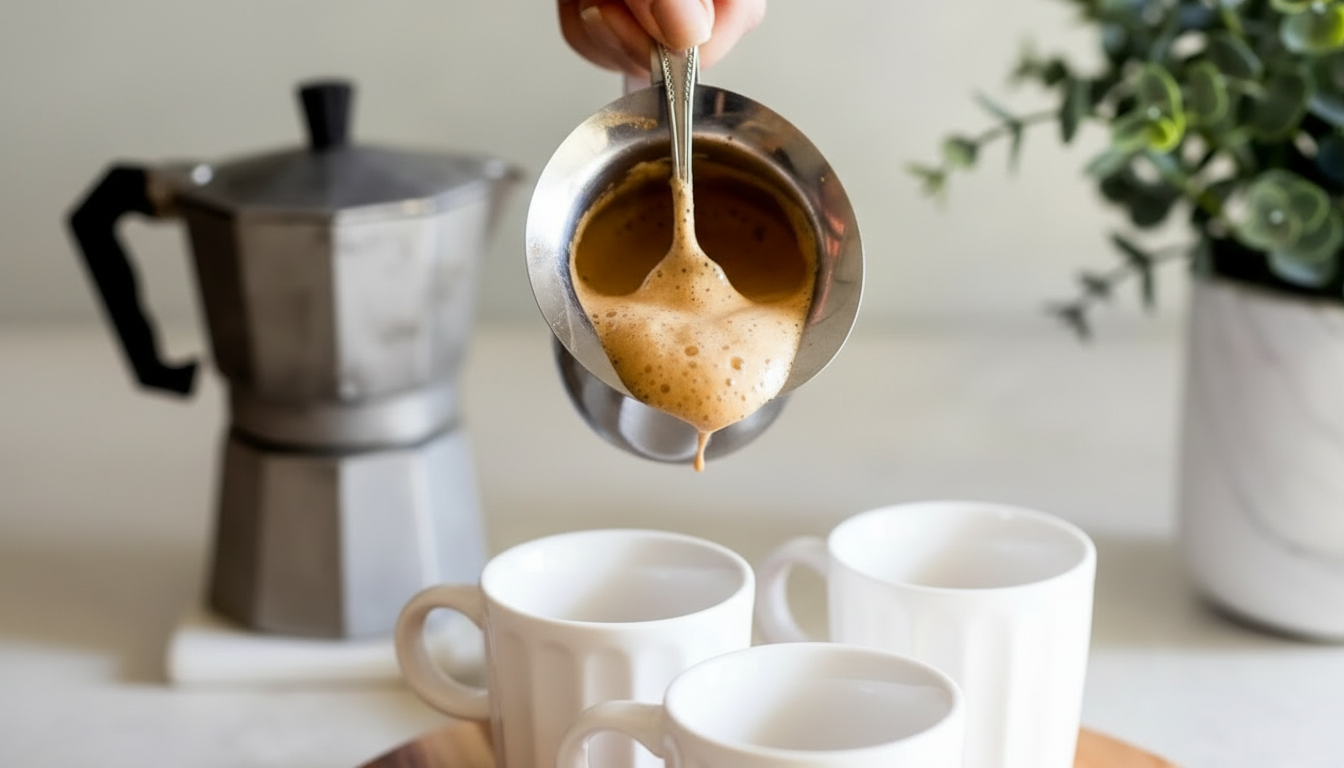
Cuban espresso, known locally as Café Cubano, is a bold and sweet coffee tradition rooted in Havana’s vibrant cafés. Baristas craft this iconic drink by whipping the first drops of espresso with sugar to create espumita, a velvety foam that balances the dark roast’s intensity. The technique dates back to 19th-century coffee houses where Cuban coffee culture first flourished.
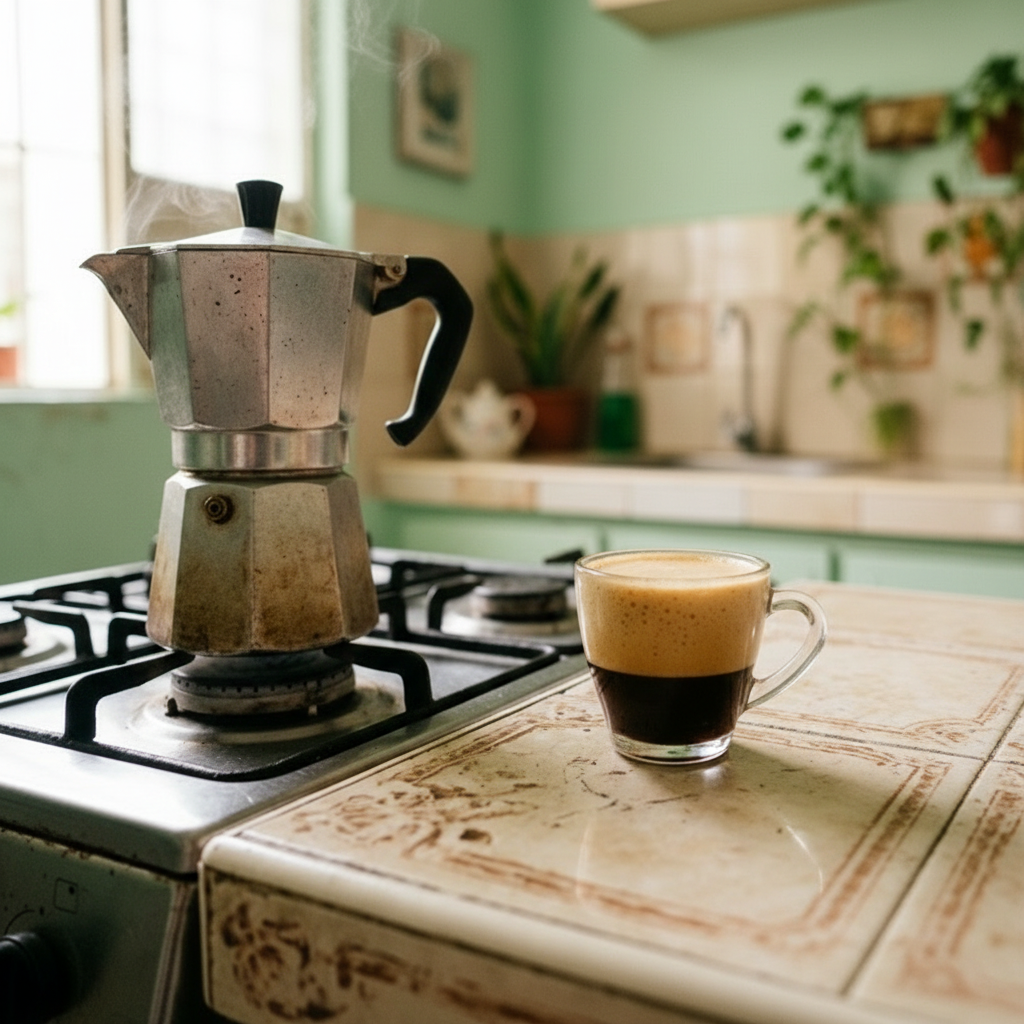
Unlike traditional espresso, Cuban coffee uses a precise ratio of finely ground dark roast beans and demerara sugar, yielding a concentrated shot with caramelized sweetness. The preparation method preserves the coffee’s robust aroma while softening its natural bitterness, creating a uniquely smooth yet powerful flavor profile that defines authentic Cuban coffee craftsmanship.
Cuban Espresso: What Is It and Where Does It Come From?
Cuban espresso, known as Café Cubano (pronounced kah-FEH koo-BAH-noh), is a rich and robust coffee drink that stands as a symbol of Cuban coffee culture. Originating in Cuba, Café Cubano has a storied history intertwined with the island’s vibrant culture and social life.

The drink emerged in the early 20th century, when espresso machines became popular in Cuban cafés, allowing for a communal coffee experience that still thrives today.
What sets Café Cubano apart from other espresso drinks is the art of creating espumita, a sweet and frothy foam made by whipping sugar with the first few drops of espresso. This foam crowns the espresso, adding a unique sweetness and creamy texture that distinguishes it from a standard espresso shot.
The balance of strong, bitter coffee with the sugary espumita creates a harmonious and indulgent experience. Cuban espresso is more than just a drink; it is a cultural ritual that brings people together, typically enjoyed in the company of family and friends.
Its preparation and consumption are deeply rooted in Cuban traditions, making it a distinctive and cherished part of the island’s heritage.
How to Make a Cuban Espresso at Home
Cuban Espresso (Café Cubano)
Ingredients
- 2 shots Espresso freshly pulled, about 2 fl oz total
- 2 tsp Demerara sugar raw brown sugar; the coarse crystals make the best espumita
Instructions
- Add the demerara sugar to a small cup or creamer pitcher.
- Start pulling the espresso. Catch the first few drops of the extraction — the most concentrated — onto the sugar.
- Vigorously stir and whip the sugar with those first drops until it becomes a pale golden, creamy paste.
- Pour the remaining espresso over the espumita. A golden foam layer rises to the top. Serve immediately in small demitasse cups.
Notes
Crafting the perfect Café Cubano at home is a delightful ritual that marries the rich intensity of espresso with the sweet, frothy magic of espumita. This Cuban espresso is more than just a strong coffee; it’s an experience steeped in tradition.
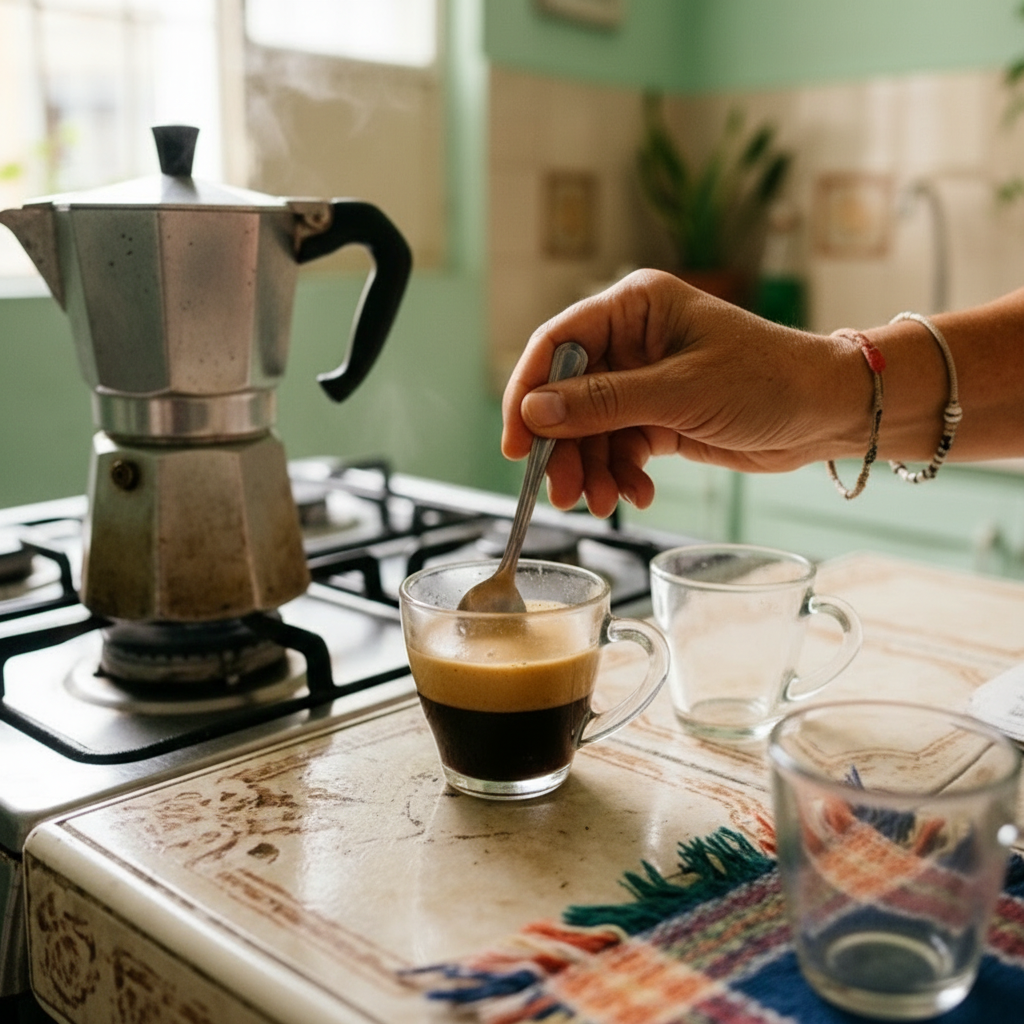
The key to a great Café Cubano lies in the art of espumita, a creamy, sugary foam that crowns the espresso. This foam isn’t just for decoration; it transforms the drink into something uniquely Cuban, balancing the bitterness of the espresso with a touch of sweetness.
Today, I’ll guide you through the process of making this iconic drink right in your kitchen.
Steps to Create Café Cubano
Creating a Café Cubano is both an art and a science. It begins with brewing a strong espresso, ideally using a stovetop espresso maker. As the espresso brews, the magic of espumita occurs.
- Start by mixing a small amount of the first drops of espresso with sugar until it transforms into a thick foam. Timing is crucial; you want to catch the initial, strongest espresso for the espumita.
- Use a spoon to vigorously beat the espresso and sugar together until it lightens in color and thickens.
- Once your espresso is fully brewed, gently pour it over the espumita, allowing the two to blend and create a harmonious balance of flavors.
Many beginners make the mistake of using too little sugar or not whipping the mixture enough, resulting in a flat foam. Remember, a good espumita is thick and creamy, providing a sweet contrast to the bold espresso. In my experience, the right sugar-to-espresso ratio is essential for that perfect espumita.
I recommend using one tablespoon of sugar per serving of espresso. As for the espresso itself, a dark roast with a robust flavor is ideal. Be sure to keep an eye on the temperature, as brewing too hot or too cold can affect the espresso’s strength and the espumita’s texture.
Finally, serve your Café Cubano in a small demitasse cup to preserve the rich aroma and flavors. With practice, you’ll master this delightful Cuban tradition and enjoy a Café Cubano that transports you straight to a bustling Havana café.
Tips and Tricks for the Best Cuban Espresso
Creating the perfect Cuban espresso, or Café Cubano, is both an art and a science. Here are my top tips to make sure your brew sings with the authentic flavors and textures of Cuba.
- Ingredient quality is key. Always opt for freshly ground Cuban-style espresso beans. The roast should be medium to dark, which enhances the rich, bold flavors that distinguish a Café Cubano. In my experience, using freshly ground beans makes a world of difference.
- For the best Cuban espresso, aim for a 1:2 ratio of coffee to water. This ensures a concentrated shot that bursts with flavor. Consistency is crucial, so measure carefully each time you brew.
- Your water should be just below boiling, around 200°F (93°C). This temperature extracts the perfect balance of flavor without scorching the coffee, preserving that smooth, robust profile.
- Texture is where the magic of espumita comes in. To achieve that signature frothy sugar cap, beat the first few drops of espresso with sugar until it turns creamy and light. I find using a small whisk or a spoon works best for creating a voluminous espumita.
- Finally, consider the serving vessel. A demitasse cup is traditional for serving Café Cubano, as it maintains the warmth and showcases the espresso’s beautiful crema and espumita.
By paying attention to these details, you can master the art of Café Cubano and enjoy a cup that’s as close to authentic Cuban espresso as you can get outside of Havana.
Cuban Espresso Variations to Try
When exploring Cuban espresso drinks, it’s worth noting that the classic Café Cubano serves as a versatile foundation for a variety of delightful twists. Each variation offers a unique take on this beloved coffee style, while still honoring the essential art of espumita.
Café Con Leche Cubano
A comforting choice for those who enjoy a creamier texture, the Café Con Leche Cubano combines the intense flavor of Café Cubano with the smoothness of steamed milk. Typically, you’ll want to use a 1:1 ratio of espresso to milk. In my experience, using whole milk enhances the richness and complements the coffee’s boldness perfectly.
Serve it in a large cup to accommodate the generous milk addition and enjoy it as a leisurely morning treat.
Cortadito
If you’re seeking a balance between the robust Café Cubano and the creaminess of milk, the Cortadito is your go-to. This variation involves a shot of espresso “cut” with a small amount of steamed milk, usually in a 1:1 or 2:1 espresso-to-milk ratio.
The trick is to froth the milk to a velvety texture, which melds beautifully with the espresso’s caramelized sugar notes. Traditionally served in a glass demitasse, the Cortadito is both visually appealing and delightfully satisfying.
Café Bonbon
For those with a sweet tooth, the Café Bonbon offers a delectable twist by incorporating condensed milk. This variation layers equal parts of sweetened condensed milk and Café Cubano, creating a dessert-like coffee experience. The key is to allow the condensed milk to settle at the bottom, forming a striking visual contrast with the dark espresso above.
Stir before sipping to enjoy a harmonious blend of sweetness and robust coffee flavor.
These Cuban coffee variations each bring their own unique character to the table, allowing you to experience the rich tradition of Café Cubano in different delightful forms. Whether you prefer creamy, balanced, or sweet, there’s a Cuban espresso variation to match your taste.
Conclusion
As we wrap up our exploration of Café Cubano, it’s clear this distinct espresso style embodies the warmth of Cuban culture through its signature espumita—a velvety sweetened foam that requires precise temperature control during preparation. The Specialty Coffee Association recognizes this traditional method as a hallmark of Latin American coffee craftsmanship.
Through years of testing dark roast beans and extraction techniques, I’ve found the magic lies in balancing the coffee’s natural bitterness with just enough demerara sugar to create that perfect caramelized texture. A skilled barista knows this delicate equilibrium transforms an ordinary espresso into something extraordinary.
Now equipped with these insights, you’re ready to craft authentic Café Cubano. Remember to use freshly ground beans and maintain consistent pressure when pulling shots—these small details make all the difference in recreating Havana’s beloved coffee tradition at home.
Frequently Asked Questions
What is the significance of ‘espumita’ in Cuban espresso?
Espumita, or the frothy sugar foam, is a defining characteristic of Cuban espresso. It is created by vigorously mixing sugar with the first few drops of espresso, forming a creamy, sweet foam that sits on top of the coffee. This adds a unique texture and sweetness to the drink, setting it apart from other espresso varieties.
Can I use any type of coffee beans to make Café Cubano?
While you can technically use any beans, traditional Café Cubano is made with dark roast beans, often pre-ground and labeled as Cuban-style coffee. The dark roast enhances the rich, bold flavor that is characteristic of this coffee, complementing the sweetness of the espumita.
How does Café Cubano differ from regular espresso?
The primary difference is the addition of espumita, which provides a distinct sweetness and texture. Unlike regular espresso, Café Cubano incorporates sugar at the start of the brewing process, creating a unique interplay of flavors that is both robust and sweet.
What equipment is necessary to make a Cuban espresso at home?
To make a Cuban espresso, you’ll need a stovetop espresso maker, often called a Moka pot, and a small whisk or spoon for creating the espumita. These tools help you replicate the traditional methods used in Cuban households.