
Did you know that your morning cup of Guatemalan coffee may have traveled across the coffee bean belt, connecting diverse coffee cultivation areas from Africa to South America? Discover the unique flavors and rich histories embedded in every sip, and learn what makes African and South American coffee beans stand out in the global market.
African Coffee Origins: The Birthplace of Coffee
Africa holds a distinguished place in the realm of coffee origins, often celebrated as the birthplace of coffee. This continent, particularly Ethiopia, is where the Coffea arabica plant is believed to have been first discovered.
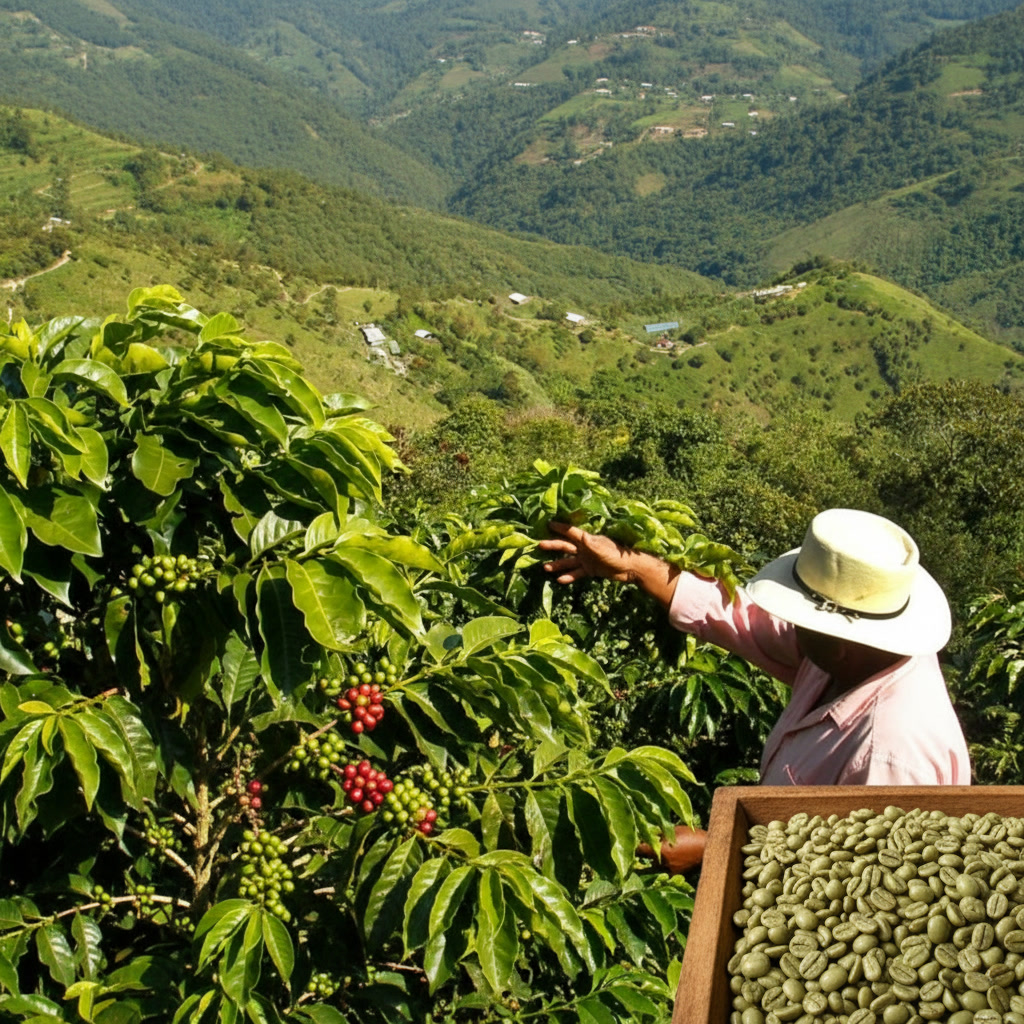
Ethiopian coffee, often described as the pinnacle of African coffee varieties, showcases a diverse array of flavors and aromas attributed to the unique terroir and traditional cultivation methods. The country’s diverse landscapes, which range from high-altitude plateaus to fertile valleys, contribute significantly to the distinct profiles of its coffees.
Ethiopian coffee is renowned for its vibrant acidity, complex floral and fruity notes, and a light to medium body. These characteristics are influenced by the country’s traditional processing methods, which include both washed and natural processes.
- The washed process tends to accentuate the coffee’s acidity and floral notes.
- The natural process often enhances its fruitiness and sweetness.
Varieties such as Heirloom, which are indigenous to Ethiopia, further enrich the coffee’s complexity and depth. Beyond Ethiopia, other African countries like Kenya also stand out in the coffee world. Kenyan coffee is celebrated for its bright acidity, full body, and bold, wine-like flavors. This is largely due to the country’s high-altitude growing regions and meticulous processing techniques.
The SL28 and SL34 varietals are particularly esteemed, known for producing a rich and nuanced cup. In exploring African coffee origins, one not only encounters a rich tapestry of flavors but also gains insight into the historical and cultural significance of coffee in African societies.
This exploration offers coffee enthusiasts an opportunity to appreciate how origin, varietal, and processing methods coalesce to create the extraordinary and diverse flavors found in African coffees. By understanding these elements, one can predict and savor the unique taste profiles that each African region brings to the cup.
What Makes South American Coffee Stand Out?
As we transition from Africa to South America, we find that South American coffee is renowned for its diversity and quality, with Brazil and Colombia being two of the most significant coffee-producing countries in the world.

Coffee-growing regions in South America are characterized by their unique climates and altitudes, which play a crucial role in the distinct flavors and profiles of the coffees they produce.
Brazilian Coffee Characteristics
In Brazil, the largest coffee producer globally, the cultivation areas are vast and varied, providing a wide spectrum of flavors. Brazilian coffee typically grows at lower altitudes compared to other coffee-producing regions, which results in a coffee that is generally less acidic but has a full-bodied and nutty flavor profile.
The diverse climate across Brazil allows for the production of both Arabica and Robusta beans, with Arabica being the predominant variety. Brazilian coffees are often processed using the natural or dry method, where the coffee cherries are dried in the sun, imparting sweet and chocolatey notes to the beans.
Colombian Coffee Characteristics
Colombian coffee, on the other hand, is celebrated for its bright acidity and well-balanced flavor. Grown primarily in the Andean region, Colombian coffee benefits from high altitudes and volcanic soil, which contribute to its vibrant taste and aromatic complexity. The typical Colombian coffee is known for its medium body, rich caramel sweetness, and hints of fruitiness.
The washed processing method is predominantly used in Colombia, which enhances the coffee’s clarity and brightness.
Overall, South American coffee stands out due to the combination of diverse climates, altitudes, and processing techniques that each region offers. Whether it’s the nutty, chocolatey undertones of Brazilian coffee or the bright, fruity notes of Colombian varieties, South American coffee provides a rich tapestry of flavors that coffee enthusiasts around the world appreciate and enjoy.
This diversity allows South American coffees to cater to a broad spectrum of taste preferences, making them a staple in the global coffee market.
Why Central American Coffee is a Crowd Favorite
Central American coffee holds a special place in the hearts of coffee enthusiasts worldwide, renowned for its rich flavors and diverse profiles. The region’s unique combination of geography and climate creates an ideal environment for coffee cultivation, resulting in beans that are highly sought after for their distinctive characteristics.

Guatemalan Coffee
Guatemala is a standout in the Central American coffee scene, producing beans known for their full-bodied flavor and vibrant acidity. The country’s varied microclimates and high altitudes, particularly in regions such as Antigua and Huehuetenango, contribute to a complex flavor profile, often featuring notes of chocolate, caramel, and citrus.
These characteristics are largely a result of the volcanic soil and precise climate conditions, which allow coffee plants to thrive and develop nuanced flavors.
Honduran Coffee
Honduras has emerged as a significant player in the coffee industry, gaining recognition for its ability to produce high-quality beans. The country’s coffee benefits from the lush, mountainous terrain and a subtropical climate, which together create optimal growing conditions.
Honduran coffee is celebrated for its smooth body and balanced acidity, often offering sweet, nutty, and fruity notes that appeal to a wide range of palates.
Costa Rican Coffee
Costa Rican coffee is another favorite among coffee aficionados, known for its bright flavors and clean taste. The country’s stringent regulations on coffee cultivation ensure a high standard of quality, with farms primarily located at high altitudes that enhance the beans’ acidity and sweetness.
Costa Rican beans are typically washed, a processing method that accentuates their natural clarity and brightness, often revealing floral and fruity undertones.
These Central American countries not only provide a wide array of enticing flavors but also underscore the importance of origin in determining coffee’s final taste. As a result, coffee from this region remains a favorite choice for those seeking a diverse and flavorful coffee experience.
How Asian Coffee Regions Bring Unique Flavors
Asian coffee regions, with their diverse climates and rich histories, offer a fascinating array of unique flavors that are distinct from those found in other parts of the world. In particular, countries like Vietnam and Indonesia have established themselves as significant coffee producers, each bringing their own distinctive characteristics to the coffee industry.

Vietnamese Coffee
Vietnam is one of the world’s largest coffee producers, primarily known for its robusta beans. These beans are often used in instant coffee and espresso blends due to their strong, bold flavor and high caffeine content.
The Vietnamese coffee culture is unique, often featuring traditional brewing methods such as the phin filter, which produces a thick, rich cup of coffee typically enjoyed with sweetened condensed milk. The country’s diverse altitudes and climates contribute to a range of flavors, from nutty and chocolaty to more earthy and herbal notes.
Indonesian Coffee
Indonesia, on the other hand, is renowned for its arabica varieties, particularly those from the islands of Sumatra, Java, and Sulawesi. The distinctive taste profile of Indonesian coffee often includes rich, full-bodied flavors with low acidity.
This is largely due to the wet hulling processing method, which is unique to the region and contributes to the coffee’s earthy and spicy flavor notes. Sumatran coffee, for example, is celebrated for its syrupy body and complex flavor profile that can include hints of chocolate, tobacco, and even tropical fruits.
The varied climates and processing methods across Asian coffee-producing regions ensure that there is a wide spectrum of flavors to explore. Whether it’s the smooth, chocolaty notes of Vietnamese robusta or the complex, earthy tones of Indonesian arabica, Asian coffees offer something for every palate.
Understanding these unique characteristics allows coffee enthusiasts to predict and appreciate the diverse flavors that these regions bring to the global coffee landscape.
Exploring the Richness of Middle Eastern Coffee
The Middle East, particularly Yemen, holds a significant place in the history of coffee, being one of the earliest regions to cultivate the coffee plant. Nestled within the coffee belt, this region’s distinct climate and ancient processing methods have crafted coffees that are unique in flavor and character.

Yemeni Coffee
Yemeni coffee, often grown on steep terraces, benefits from the region’s high altitudes and arid conditions. These factors contribute to the beans’ dense structure, resulting in a cup with pronounced complexity and depth. Typically, Yemeni coffee is processed using the natural method, where beans are sun-dried with the fruit still attached, imparting rich, wine-like flavors and a full-bodied profile.
Turkish Coffee
In addition to Yemen, the cultural significance of coffee in the Middle East is exemplified by Turkish coffee, a preparation method rather than a growing region. However, its role in popularizing and spreading coffee culture cannot be overstated.
Turkish coffee is traditionally made using finely ground coffee beans, often from Yemen or Ethiopia, brewed in a special pot called a cezve. The result is a strong, unfiltered coffee that captures the essence of its origin through the thick, aromatic brew and significant sediment at the bottom of the cup.
The Middle Eastern approach to coffee, both in cultivation and preparation, highlights the deep connection between the region’s geography and its coffee traditions. While Yemen and the broader Middle Eastern influence are often overshadowed by larger coffee producers, their contributions to coffee’s rich history and their distinctive flavors are indispensable.
Understanding these origins allows coffee enthusiasts to appreciate the unique attributes that Middle Eastern beans bring to the global coffee tapestry, enriching the diversity of flavors found within the coffee belt.
What to Know About Coffee from the Caribbean
The Caribbean, often celebrated for its stunning landscapes and vibrant cultures, is also home to some of the world’s most distinctive coffee-growing regions. Among these, Jamaica and Cuba stand out as prominent producers, each offering a unique contribution to the global coffee scene.
Jamaican Coffee
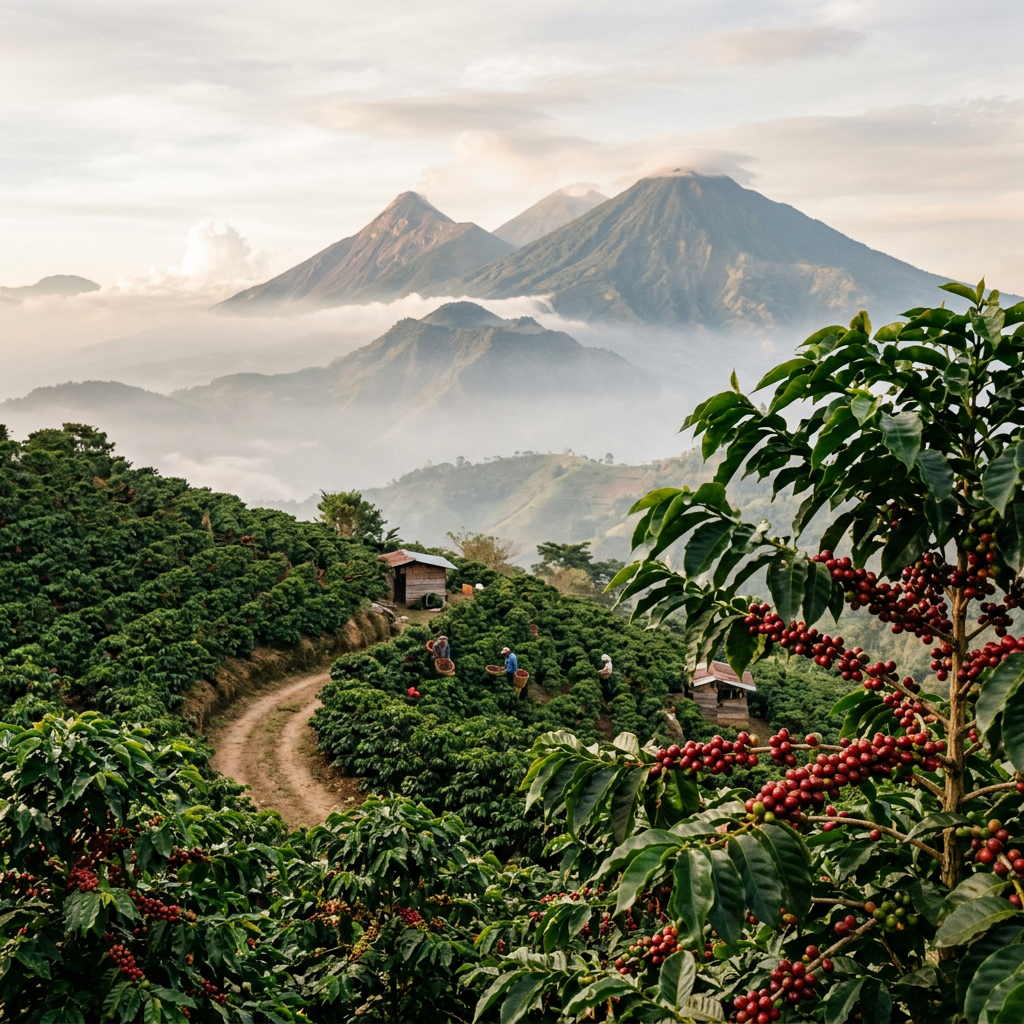
Jamaican coffee, particularly from the Blue Mountains, is renowned for its exceptional quality. The Blue Mountain region, with elevations ranging from 2,000 to 5,000 feet, provides an ideal climate for coffee cultivation. The cool temperatures, abundant rainfall, and rich volcanic soil contribute to a slow maturation process for the coffee cherries, enhancing their flavor profile.
Jamaican Blue Mountain coffee is celebrated for its mild flavor, bright acidity, and smooth body, often fetching high prices in the international market due to its limited production and high demand.
Cuban Coffee
Cuba, with a coffee tradition dating back to the mid-18th century, is another noteworthy Caribbean coffee producer. The island’s coffee is primarily grown in the Sierra Maestra mountain range, where the combination of altitude and climate creates favorable growing conditions.
Cuban coffee is typically rich and full-bodied, with a robust flavor and a hint of sweetness, often attributed to the traditional wet processing methods used. Despite historical challenges, including trade embargoes and economic hardships, Cuban coffee maintains a strong reputation, especially in local markets.
These Caribbean regions highlight the diversity of coffee profiles influenced by their unique terroir and cultivation practices. Understanding the nuances of Jamaican and Cuban coffees allows enthusiasts to appreciate the rich history and distinct flavors that these island nations bring to the coffee world.
Whether it’s the smooth elegance of Jamaican Blue Mountain or the bold richness of Cuban brews, Caribbean coffee offers an intriguing exploration of taste and tradition.
Is Pacific Coffee Worth the Hype?
When exploring the coffee-growing regions of the Pacific, it’s essential to consider the unique attributes that these areas bring to the global coffee tapestry. The Pacific coffee belt primarily includes countries like Indonesia, Papua New Guinea, and the Philippines.
These regions are part of the larger coffee bean belt, which circles the globe between the Tropics of Cancer and Capricorn, offering ideal conditions for coffee cultivation.
One of the standout features of Pacific coffee is the diverse range of flavors and profiles that emerge from its growing regions. Indonesia, for example, is renowned for its rich and earthy coffees, with Sumatra being a prime example.
The island’s unique wet-hulling processing method, known as “Giling Basah,” contributes to the coffee’s full-bodied, low-acidic profile with notes of spice and chocolate. This processing technique is distinct from the washed methods commonly used in other coffee production areas, such as those in Central America, where Guatemalan coffee is known for its bright acidity and floral notes.
Papua New Guinea Coffee
Papua New Guinea, another significant contributor to Pacific coffee, often produces beans that are less earthy than those from Indonesia but still offer a complex flavor profile. The country’s high-altitude coffee farms contribute to beans with vibrant acidity and fruit-forward notes, sometimes reminiscent of the Ethiopian coffee origins that are celebrated for their floral and citrus characteristics.
While some might wonder if Pacific coffee is worth the hype, the answer lies in its ability to offer something distinct from other regions. The traditional methods of cultivation, combined with the unique terroir and processing techniques, ensure that Pacific coffee holds a special place in the spectrum of global coffee flavors.
For coffee enthusiasts seeking a robust and distinctive cup, exploring the offerings from this part of the world can be a rewarding journey, providing a different perspective on what coffee can be.
Frequently Asked Questions
What is the “coffee bean belt” and why is it important?
The “coffee bean belt” refers to the region around the equator, between the Tropics of Cancer and Capricorn, where the ideal climate conditions for coffee cultivation are found. This area includes parts of Africa, Central and South America, and Asia-Pacific. Understanding the coffee bean belt is crucial as it influences the distinct flavors and characteristics of coffee from different origins.
How does altitude affect the flavor of coffee from different regions?
Altitude plays a significant role in coffee cultivation. Higher altitudes generally lead to slower-growing coffee plants, which develop more complex flavors. For example, Guatemalan coffee, grown at higher elevations, often exhibits bright acidity and intricate flavor profiles. Knowing the altitude of coffee production areas can help predict taste characteristics.
Why do some coffees have fruity or wine-like flavors while others are nutty or chocolaty?
The flavor of coffee is shaped by several factors, including the origin, varietal, and processing method. Coffees from African regions like Ethiopia often have fruity, wine-like flavors due to their unique terroir and natural processing methods. In contrast, South American coffees, such as those from Brazil, may present nutty or chocolaty notes due to their lower altitudes and different processing techniques.
How can I use coffee origins to enhance my coffee-drinking experience?
Exploring coffee origins can significantly enrich your experience by allowing you to discover the diverse flavor profiles of different regions. Start by tasting single-origin coffees from various areas within the coffee bean belt, such as Guatemalan or Ethiopian, and note their distinct characteristics. This exploration can help refine your taste preferences and guide you in selecting beans that best suit your palate.